Frigidaire
- 4.3
- Rating
- 100.00K
- Installs
- Free
- Price

 Analysis by App-foxy
Managing connected appliances sounds simple until a normal household moment turns into a small coordination problem. I might be leaving home while a load is running, wondering whether the refrigerator needs attention, or trying to check an appliance without walking back to the kitchen. Frigidaire is designed for that connected-home situation: it brings compatible Frigidaire appliances into one place so I can monitor and control them from my phone.
After using it as a House & Home app, I found its value is less about replacing every physical control and more about reducing unnecessary trips and uncertainty. The app is free, aimed at everyone, and developed by AB Electrolux. Its average rating of 4.4 from around 4.6 thousand ratings and more than 100 thousand installs suggest that many owners find the connected approach worthwhile, although the experience depends heavily on having compatible appliances and a dependable home network.
From an appliance at home to a useful phone workflow
I find the useful shift here is from treating an appliance check as a separate trip to making it part of a quick phone routine. That works best when I decide in advance what I need to learn from the app, rather than opening it repeatedly out of habit. The next question is how well that routine holds up when the household is busy and several tasks overlap.
You May Also Like

 Blood Strike: 2.5 Anniversary
Blood Strike’s Loadouts Turn Every Drop Into a Tactical Gamble
A close look at Blood Strike’s custom loadouts: how fast access to signature weapons reshapes its battle royale rhythm, rewards preparation, and narrows the gap between fights.

 Pandora - Music & Podcasts
Pandora’s Music Is Easy to Start, but Harder to Recover
Pandora’s strength is its low-effort path from a seed to a station. Its weak spot is how much confidence it asks you to place in connection, setup, and quiet recovery.

 8 Ball Pool
 Is Built on Rivalries, Rematches, and Routine
A close look at the rivalries, rematches, shared routines, and unanswered safety questions that turn a quick pool match into a persistent mobile community.

 Samsung Music
’s Quiet Strength Is Playing What You Already Own
Its reach comes less from spectacle than from dependable access to a personal library. That simplicity is both the app’s strongest retention engine and its ceiling.

 AccuWeather: Weather Radar
AccuWeather Review: A Quick, Clear Forecast for Everyday Decisions
For everyday plans, the best forecast is the one you can understand quickly. AccuWeather makes rain timing, radar, and local conditions easy to act on, with a few trade-offs.

 Hill Climb Racing
Why Hill Climb Racing Still Turns Crashes Into One More Run
A tiny car, a bumpy hill and one more upgrade: Hill Climb Racing keeps resurfacing because its simple chaos makes every near-miss feel personal.
More From Our News Desk
View All News


The starting condition matters more than the app itself
The first thing I would tell a friend is that this is not a general remote-control app for household appliances. It is specifically intended for connected Frigidaire equipment. That makes the ownership question more important than the download question. If the appliances in your home are not compatible, installing the app will not turn an ordinary appliance into a smart one.
For someone who already owns a connected model, the starting point is more practical. I can keep the phone nearby while moving through the day and use the app as an extra view of what is happening at home. The benefit is strongest when I am away from the appliance but still need awareness of its state. It is a modest improvement, but one that can become useful when repeated over many days.
I also appreciate that the app is not presented as a complicated specialist tool. The Everyone content rating fits the straightforward household audience. A person who is comfortable installing a phone app and following appliance setup instructions should find the idea approachable. Still, “easy to use” does not mean “instant.” The initial connection is the part where patience matters most.
Setting up the connection without creating confusion
My recommended approach is to begin with one appliance rather than trying to connect everything in the home at once. Keep the appliance close enough to the phone and home network for the setup process, check that it is powered on, and follow the in-app prompts in order. This one-at-a-time method makes it much easier to identify whether a problem comes from the appliance, the network, or the phone.
That is one of the less obvious practical lessons with a connected-appliance app: setup is also an inventory exercise. As I add equipment, I should use clear names or locations if the app allows that during setup. “Kitchen” or “Laundry” is more useful than a vague label when I am checking the phone quickly. A household with several similar appliances can otherwise turn a convenient control panel into a guessing game.
The app is free, which removes one barrier to trying it. That does not remove the wider cost of the connected-home arrangement, because the appliance itself must support the connection and the home still needs a working network. I would therefore install it before buying extra accessories or changing routines, but I would not treat the download alone as proof that every Frigidaire appliance in the house will appear.
What the step-by-step flow feels like in daily use
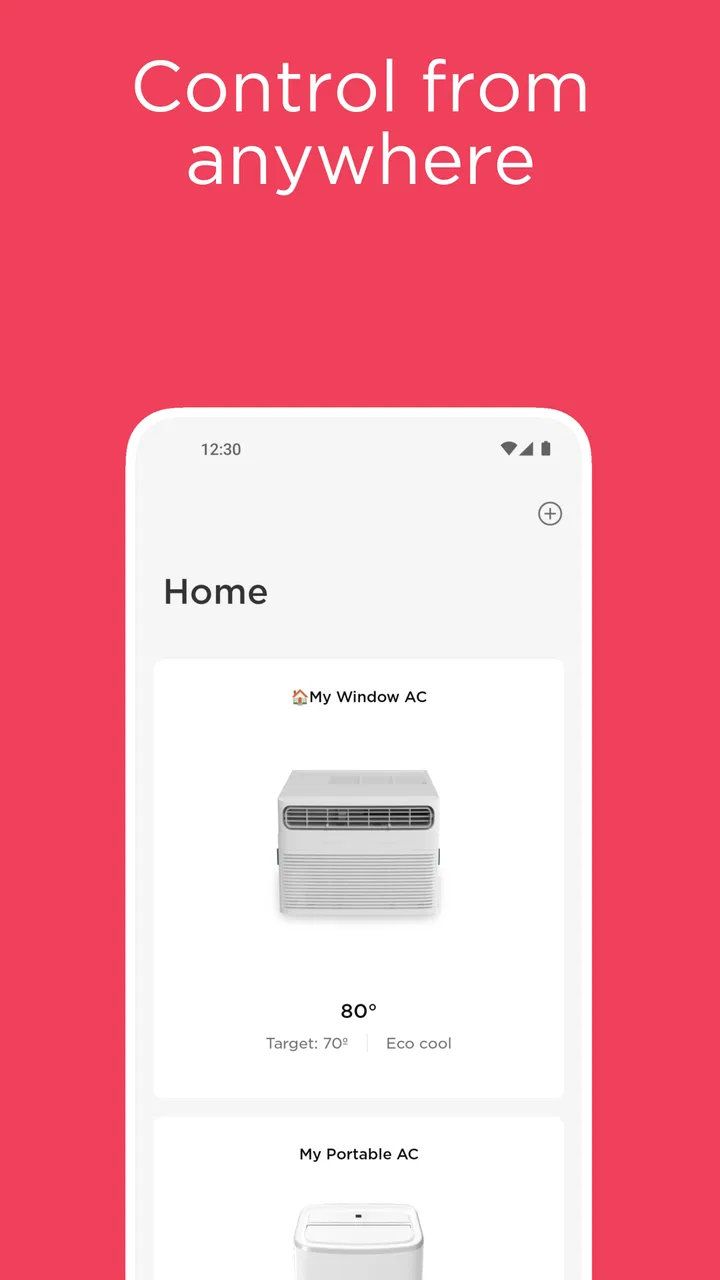
Once an appliance is connected, my workflow is simple: open the app, choose the relevant appliance, inspect its current information, and make an available adjustment when needed. The important distinction is between checking and controlling. Checking is useful even when I do not want to change anything; control becomes valuable when it saves a trip or helps me respond sooner.
A realistic example is laundry. I start a cycle, leave the room, and continue with another task. Instead of repeatedly walking back to see whether it has finished, I use the phone as the first place to check. If the app shows the information I need, I can decide whether to return immediately, wait a little longer, or arrange the next step. The app does not do the physical work, but it improves the handoff between starting the appliance and dealing with the result.
Another useful situation is leaving home in a hurry. I can make a final check from my phone rather than relying entirely on memory. That does not replace a physical inspection for safety, and I would never use a remote status view as an excuse to ignore an obvious problem. However, it can reduce the familiar doubt that appears halfway down the street: “Did I actually deal with that appliance?”
The same workflow can help when another person is handling the household task. If I start something and someone else needs to take over, the app gives us a shared point of reference, provided the appliance and account arrangement are set up appropriately. This is more useful than it first sounds in a busy home, because the person who begins a cycle is not always the person who unloads, checks, or finishes it.
Handoffs between the phone, the appliance, and other people
The physical appliance remains the final authority. A phone screen can show a useful status or offer a control, but it cannot remove the need to understand what is happening in the room. I see the app as a second interface rather than a replacement for the buttons, display, and safety instructions on the appliance itself.
That distinction becomes important when a household changes hands during the day. For example, I might start a task before work, while another person later needs to open the appliance or choose the next setting. The app can provide continuity, but only if everyone understands which appliance is being discussed and what has already been done. Clear appliance names are therefore not cosmetic; they are part of making the handoff reliable.
I would also avoid assuming that every family member should have identical control. A shared household may prefer one person to handle setup while others mainly use the app for checking. That is a sensible division because fewer people changing settings reduces accidental adjustments. The right arrangement depends on trust and routine, not on the app alone.
Notifications and remote information can be helpful, but they should support a routine rather than become the routine. I still prefer a quick physical check before leaving a machine unattended for an unusual task. The app is strongest when it removes repetitive checking, not when it encourages me to stop thinking about the appliance altogether.
Where Frigidaire is more useful than the usual alternatives
The usual alternative is to operate the appliance directly. That remains the fastest option when I am already standing in front of it. No phone is needed, no connection has to be maintained, and there is no question about whether the command reached the appliance. For a person who always stays near the kitchen or laundry area, the extra app layer may not justify itself.
The app becomes more compelling when the alternative is repeated walking, uncertainty, or a handwritten reminder. A paper note can record what I intended to do, but it cannot provide a current view of the connected appliance. A generic smart-home system might offer broader household automation, yet a manufacturer-specific app can be a more direct place to manage supported Frigidaire equipment. The trade-off is narrower coverage: the app is focused rather than universal.
I would choose this app over a generic solution when my main concern is Frigidaire appliance control and I want the manufacturer’s own route into that equipment. I would choose a broader smart-home platform when my priority is combining devices from several brands under one system. That is not a flaw in Frigidaire; it is the consequence of choosing a focused appliance experience instead of an all-purpose home dashboard.
The result: less checking, but not complete automation
When the connection works properly, the result is a calmer household workflow. I can begin with the appliance, move away from it, check progress from the phone, and return when the next physical action is actually needed. That sequence is the app’s real strength. It turns a disconnected task into a small chain with better visibility between each step.
The best use cases are ordinary rather than dramatic. I can check an appliance while preparing another room, keep track of a task while handling children or work, or help another household member understand what is happening without shouting from one room to another. These are small savings, but they are concrete and repeatable.
There is also a useful distinction between convenience and control. Remote access may help me decide what to do next, but it does not guarantee that every decision should be made remotely. I still need to consider what is inside the appliance, whether someone else is using it, and whether the physical environment is suitable. The app improves awareness; it does not replace judgment.
For that reason, I would recommend it most strongly to owners who already have a compatible connected Frigidaire appliance and regularly find themselves away from it during household tasks. The value grows when more than one person shares responsibility, because the app can reduce “who checked it?” confusion. It is less persuasive for someone who wants a universal home-control center or has no interest in using a phone for routine appliance checks.
Where the workflow breaks and how I would handle it
The first weak point is compatibility. If the appliance is not designed for this connected experience, there is no clever setup trick that will solve the problem. I would confirm compatibility before building a routine around the app. This is especially important for households with older and newer appliances side by side, because assuming that the brand name alone guarantees identical support can lead to frustration.
The second weak point is connectivity. A connected appliance depends on more than the app interface: the phone, the home network, and the appliance all have to communicate. If a status looks outdated or a control does not behave as expected, I would first check whether the appliance is powered, whether the phone is online, and whether the home network is behaving normally. Repeating taps is rarely a good troubleshooting strategy.
A useful habit is to keep a physical fallback. If I need to complete an urgent task, I should be prepared to use the appliance directly rather than waiting for the app to recover. This is one of the clearest trade-offs of connected control: convenience is added on top of the ordinary appliance experience, but the ordinary experience remains the dependable backup.
Another possible friction point is household interpretation. A remote status can be misunderstood if one person changes a setting while another is standing nearby. I would use the app for visibility, but communicate when a task is shared or time-sensitive. That small human step prevents the technology from creating a new version of the confusion it was meant to remove.
Updates, device requirements, and long-term practicality
The current version is 4.23, and the app was released on March 27, 2023. It requires at least iOS or Android 11, so I would check the phone’s operating-system version before planning to use it on an older device. That requirement is easy to overlook when the appliance is the main focus, but the phone is part of the system too.
Because this is a free app from AB Electrolux, the main question is not whether the download is worth the price. The better question is whether it fits the way the household already works. If I rarely leave an appliance unattended, never need remote awareness, and prefer physical controls, the app may add another screen without solving a real problem.
On the other hand, I would keep it installed if it consistently helps with handoffs and reduces repeated checks. The strongest long-term test is simple: after a week or two, am I opening it for a specific reason, or only because I feel I should? If it regularly answers a question faster than walking to the appliance, it has earned its place. If not, the direct controls are probably the better option.
My recommendation for different kinds of households
I recommend Frigidaire to people who own compatible connected Frigidaire appliances and want a focused way to check or control them from a phone. It is particularly well suited to busy homes where appliance tasks continue while everyone moves between rooms, works, studies, or leaves the house. The app’s free access also makes it reasonable to try before committing to a new routine.
I would be more cautious for users seeking broad compatibility across many appliance brands, a fully unified smart-home system, or hands-off automation that removes physical responsibility. This app is not the right choice simply because it carries a familiar appliance name. Its usefulness comes from the match between the supported appliance and the household’s habits.
My overall view is positive but practical. Frigidaire works best as a reliable extra window into compatible appliances, not as a replacement for common sense or the controls on the machine. When the connection is stable and the household uses clear handoffs, it can make everyday chores feel more organized. When compatibility or connectivity gets in the way, the usual direct method is still simpler.
With an average rating of 4.4 and around 637 written reviews, the app has attracted a meaningful group of users without needing to be treated as a universal solution. I would install Frigidaire when the supported appliance is already part of my home and the real problem is distance, timing, or shared responsibility. In that situation, it offers a useful improvement; outside it, the extra layer may not be worth maintaining.
FAQs for Frigidaire
01What features does the Frigidaire app offer?
The Frigidaire app offers a variety of features aimed at enhancing the user experience with their Frigidaire appliances. Users can remotely control and monitor their appliances, receive maintenance notifications, schedule appliances for energy efficiency, and access troubleshooting guides. These features are designed to offer convenience and peace of mind.
02Is the Frigidaire app compatible with all Frigidaire appliances?
The Frigidaire app is compatible with a wide range of smart appliances, but not all models support app connectivity. It's essential to check your specific appliance model for compatibility. The app typically supports newer models that feature Wi-Fi connectivity, allowing for remote monitoring and control.
03How user-friendly is the Frigidaire app interface?
The Frigidaire app is designed with user-friendliness in mind, featuring an intuitive interface that simplifies navigation. Users can easily access appliance controls, settings, and notifications. The app also provides clear instructions and support, making it accessible even for those who are not tech-savvy.
04Are there any costs associated with using the Frigidaire app?
The Frigidaire app itself is free to download and use. However, users should be aware that certain features, like remote diagnostics or premium services, might incur additional costs. It’s advisable to review the app’s terms and conditions for any potential charges before use.
05Can multiple users access the same appliance through the Frigidaire app?
Yes, the Frigidaire app allows multiple users to connect to the same appliance, which is ideal for households with multiple members needing access. Users can set up individual profiles, ensuring personalized settings and notifications. This feature enhances convenience and allows for shared appliance management.
Pros
- User-friendly interface for easy control.
- Energy-saving modes reduce power consumption.
- Customizable settings for precise usage.
- Remote access via mobile app for convenience.
- Real-time alerts for maintenance reminders.
Cons
- Limited compatibility with older devices.
- Occasional connectivity issues reported.
- Subscription needed for advanced features.
- In-app ads can be slightly intrusive.
- Initial setup can be time-consuming.

Frigidaire
Gallery